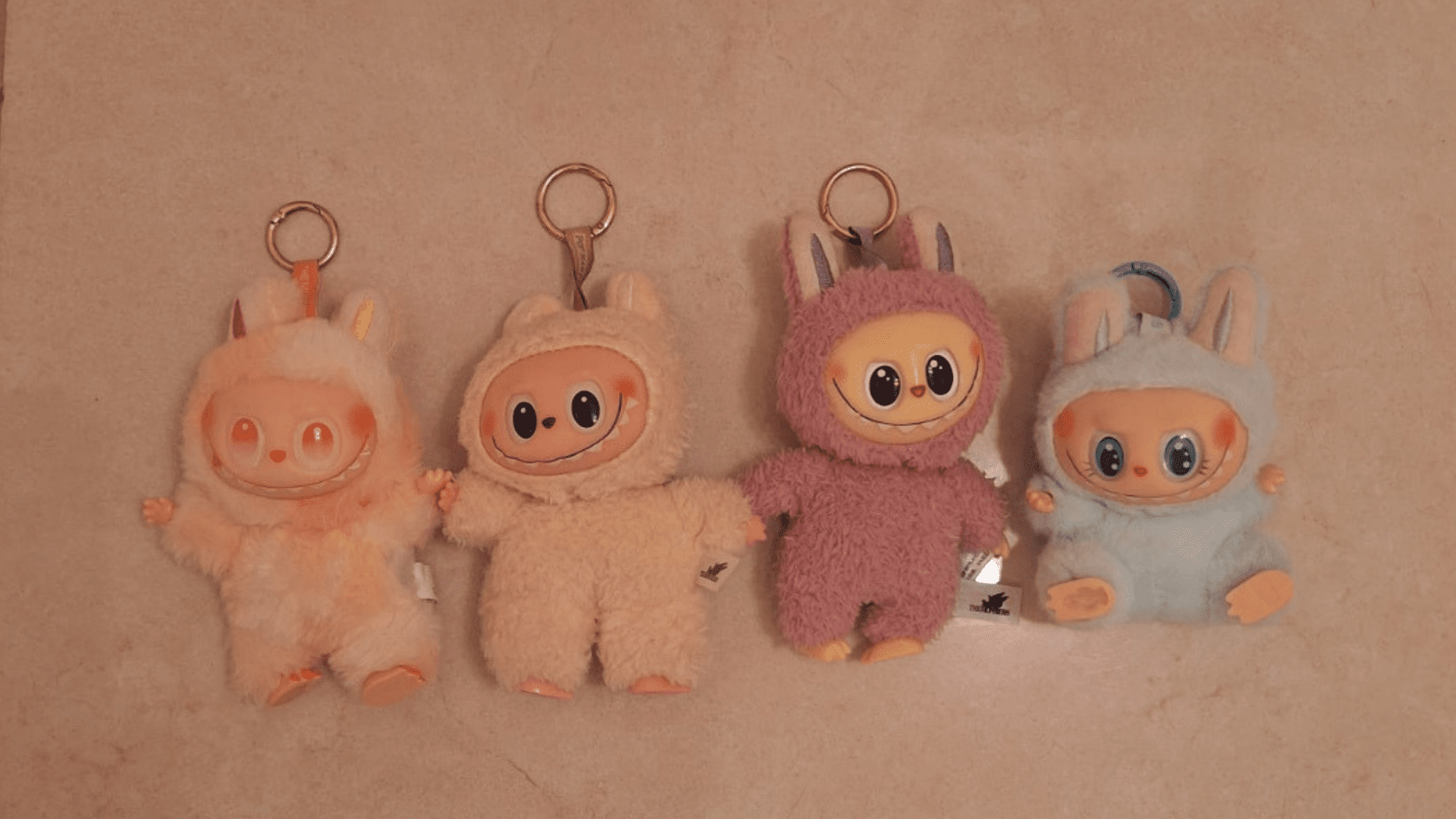
What is a Labubu? A Sonny Angel? A Smiski? And why are they all over my social media?!
As a chronically online Gen Z Marketer, I’ve been fascinated with the recent rise of collectibles – especially the frenzy for Labubu monsters. When I ask people if they’re following the Labubu trend, some are familiar with the creatures while others need an introduction. But once they know the basics, almost everyone can name their own version of a hot collectible they once longed for (or still do).
In addition to being a consumer phenomenon, Labubus may send a signal about fans’ economic sentiments. The increase in demand for exclusive, collectible items is sometimes seen as a recession indicator similar to the “lipstick index” phenomenon. What may seem like a random trend to new learners of the topic, actually showcases a recurring pattern of intrigue from common target audiences. Before we dive into the reasoning, let’s first understand the current trend.
What is a Labubu?
The highly sought-after collectible is a character from the “The Monsters” toy series created by Hong Kong artist Kasing Lung and produced by Chinese retailer Pop Mart. The characters, inspired by Nordic folklore and mythology, are depicted as a small, elfin creatures with pointed ears, serrated teeth, and mischievous smiles.
Labubus retail for between $20-$30 each. They’re sold in a blind-box format, like baseball cards and Pokemon cards before them: you don’t know what you’re going to get until you buy. The mystery stirs interest in guessing which one you’ll uncover, and hopes of getting lucky in unlocking the secret Labubu, which has a 1 in 72 chance of being chosen.
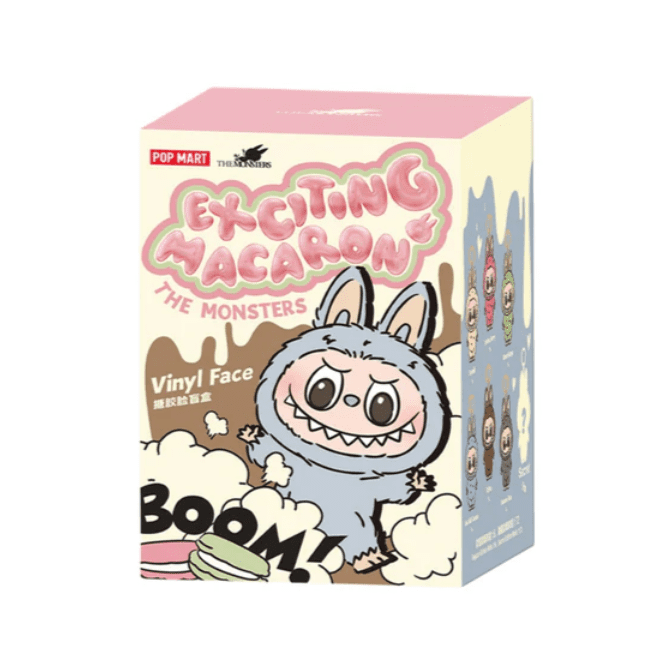
Image Credit: PopMart
This isn’t the first time collectibles have become a frenzy
We’ve seen spikes in collectibles sales amidst previous economic downturns. Indeed, this phenomenon helped give rise to the idea of the “lipstick index,” which sees the purchase small luxuries as a proxy indicator for financial headwinds. The idea is that consumers may put off larger purchases amid economic strain or uncertainty, but they’ll indulge in smaller treats for a boost. In 2025, some are asking: “Is our obsession with trinkets is a recession indicator?”
While Labubus, Smiskis, and Sonny Angels are the items driving social media trends nowadays, this isn’t the first time we’ve seen collectables popularized amongst adults and children.
When recently visiting Japan, I found myself surrounded by blind-box collectibles. I had heard of Sonny Angels and Smiskis online, but they were difficult to find in Canada – often out of stock or very expensive. I found myself looking for Sonny Angels wherever I could while in Japan, getting thrills from spotting them in the most random of places: tech stores, retail stores, and even a special pop-up I stumbled on, where the items sold out in minutes. I felt like I won the lottery just finding them there for a more affordable price. (However, they did have a limit: one purchase per person.)
The funny thing is, I didn’t realize how big Labubus were becoming at the time – but I found them everywhere in Japan, too.
2025 Social Media Trends in Canada
Platform usage, generational differences and audience insights.
So, what drives the demand for collectibles?
In my own experience and observation of the category, I’ve identified some key drivers of collectibles and applied Social Values to help understand the people and the motivations behind the phenomenon. Social Values (psychographics) relate to people’s deepest motivations and attitudes, revealing why people do what they do.
Completing a collection
Gathering a complete set of something is a significant driver for many people (e.g. collecting all the records of a favourite band). People high on the value Consumptivity tend to prioritize purchases in areas of great interest to them, and those high on Personal Challenge thrive when it comes to the active pursuit of a difficult goal (such as finding the most obscure and elusive items on their list).
Impulsivity
Many collectors find it exciting to seize lucky opportunities to buy special items, giving into an unexpected temptation to purchase. With scarcity and high demand as influencing factors in the pursuit of rare collectibles, when in a position to purchase, consumers are more likely to close the deal. If you were in a shop and noticed a giant line-up for a limited-edition Labubu drop, wouldn’t you be intrigued?


Intrigue of the Unknown
There is an element of curiosity and surprise with the blind-box format that appeals to many. People strong on Pursuit of Novelty want to experience something new every day. It feels like a gamble to purchase a new blind box not knowing which you’ll get – and the gamble is part of the fun. The hope of scoring that 1 in 72 chance of unboxing a “secret” Labubu keeps consumers coming back.
A little treat
We’ve seen celebrities sporting Labubus on their Hermès Birkin bags. When consumers can’t afford the whole look, they’ll feel a sense of similarity possessing a Labubu in the same fashion, regardless of the brand of bag. People turn to affordable luxuries when higher-ticket items are out of reach; collectibles are an example of this pattern.


Showing off
The ability to show off your collectibles holds significant appeal. From posting unboxing videos to showcasing them on your everyday handbag, these ugly-stylish, hard-to-find creatures meet a Need For Status Recognition – especially in the community of those who “get it.” The same can be said for other collectibles. If you were able to capture the rare card of a legendary athlete, wouldn’t you be sharing it with your friends who get the hype?


Aesthetic appeal
Part of Pop Mart’s Monster line, the creatures are aesthetically appealing with their trending colours and cute facial expressions. Accessorizing plushies is a growing trend, showcasing styles and designs of a bygone era with people collecting old magazines and ads for artwork.
Nostalgia
With adults as the primary demographic for these collectibles, nostalgia for their younger selves (in their prime plushy years) may be part of the dynamic. Consumers could be drawn to the idea of replacing something lost, finding a cherished plushy friend again in perfect condition, or even returning to simpler times to escape the complexities of today .


Where to next?
While Labubus might seem like a fluffy consumer phenomenon (like pet rocks or other “silly” trends of the past) their popularity is connected to a number of interesting patterns, from the economic headwinds consumers are feeling (the “lipstick index”) to the timeless need to build and reinforce communities where “if you know you know.” Some may see the creatures’ popularity as a sudden trend that arose out of nowhere, but Labubus activate long-standing values that we’ve been tracking for decades – such as Joy Of Consumption, Importance Of Spontaneity, Pursuit Of Novelty, and Buying On Impulse.
The question now is not so much “Why Labubus?” but “What’s the next big thing?”



Consumptivity
Personal Challenge