The Switching Study
The Canadian Financial Services Switching Study helps you understand why Canadians switch financial providers and identify the motivations and experience levers that drive acquisition, retention, and attrition.
About the Study
Each year, nearly six million Canadians switch one or more of their financial products—whether it’s a mortgage, credit card, investment or everyday banking account—from one provider to another. Understanding what drives these choices is essential for financial institutions looking to stay competitive in a rapidly evolving landscape shaped by traditional banks, digital-first providers and fintech disruptors.
Launched in the late 1990s, the Canadian Financial Services Switching Study has become a trusted source for understanding how, why and when Canadians open new accounts and switch financial institutions. In 2025, the study became part of Environics’ suite of syndicated research offerings, providing a comprehensive, data-driven view of consumer switching behaviour.
Conducted annually, the Switching Study draws on insights from 55,000 Canadian residents and more than 5,500 detailed interviews with confirmed switchers across key financial product categories. It explores the motivations and influences behind their decisions, giving leaders and product teams the evidence they need to anticipate market shifts, refine their strategies and stay ahead of the curve.
Benefits of the Switching Study
The Canadian Financial Services Switching Study delivers clear, actionable insight into who is switching, why they switch, and the most effective channel to reach them. With a focused lens on real consumer behaviour, the study empowers teams to make more confident, evidence-based decisions in a rapidly evolving financial services landscape.
It helps financial institutions:
Identify the dynamics and nuances of the switching market
Understand switcher motivations, behaviours, and decision drivers
Profile customers by B5B, Digital First and Credit Unions
Optimize acquisition, retention, loyalty and win-back strategies
Improve media targeting, positioning and messaging
Target switchers by generation, product and channel preferences
Track competitive movement, share shifts, and emerging threats
Anticipate market change and identify disruption opportunities
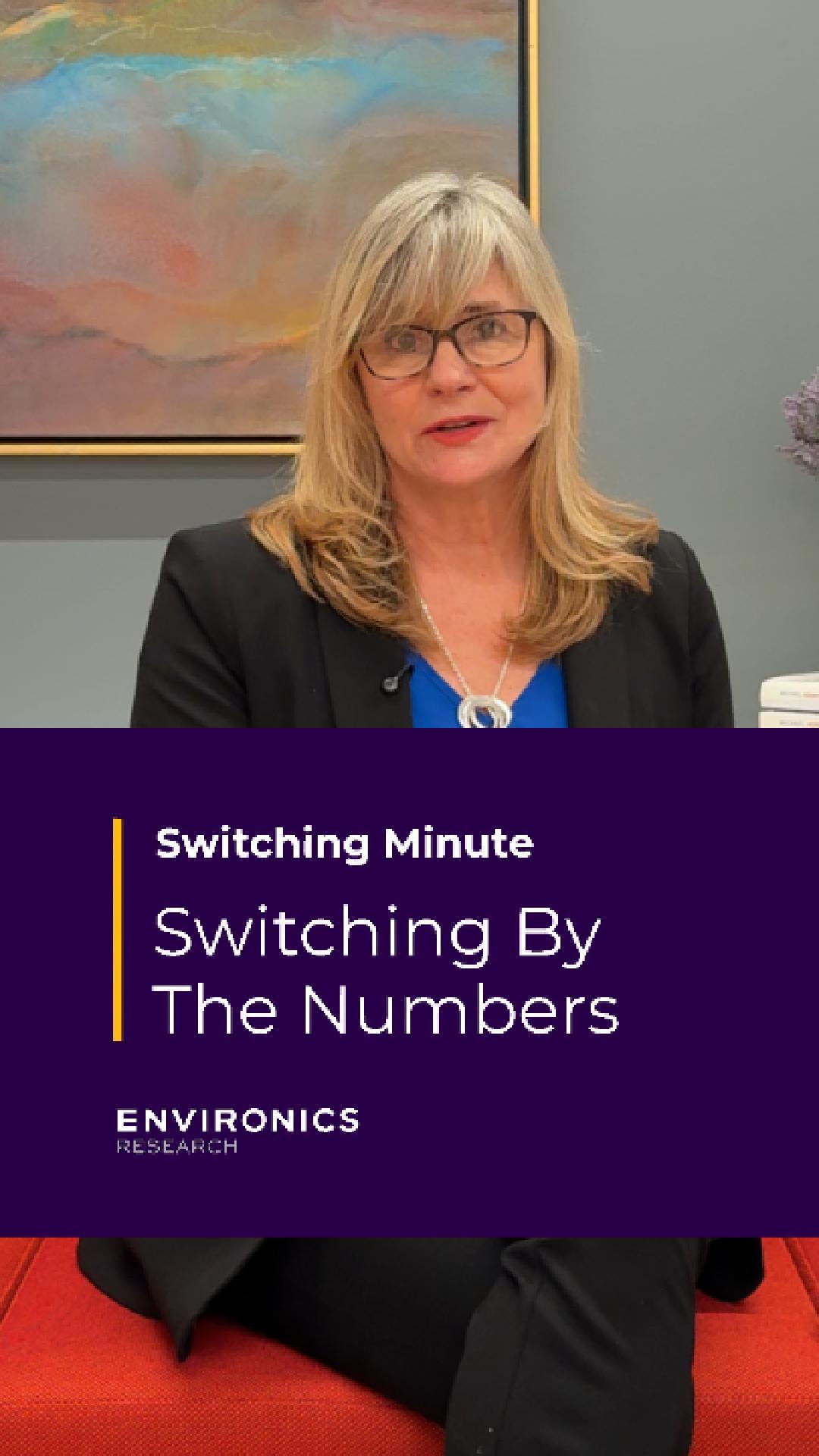
Switching Minute: A YouTube Series
Canadian consumers are paying closer attention to their finances and reassessing whether their current financial institutions meet their needs. As expectations evolve, Canadians may explore traditional banks, credit unions, digital-first providers, and other financial services options.
Environics Research experts Heidi Wilson and Leandrea Sanchez examine what Canadians, particularly younger adults, value in a financial institution. Their insights can help financial institutions strengthen customer relationships, respond to changing expectations, and remain competitive. See more from the YouTube series:

Heidi Wilson
VP – Retail Banking & Financial Services
Contact Us
Connect with our Retail Banking expert
Heidi brings more than 20 years of research and consulting experience to her role as Vice President, Financial Services at Environics. She leads the Environics Retail Banking practice, anchored by the Canadian Financial Services Switching Study, a long-standing syndicated program that tracks consumer behaviour, brand performance, and market share dynamics across Canada’s retail banking landscape.
Social Values Approach
For over 4 decades, Environics has been measuring Social Values and societal change in Canada, providing a unique lens on the deeper lying motivations that underpin consumer decision-making. In its annual Canadian Fintech Syndicated Study, Environics profiles the Social Values of customers of leading retail banks and fintech organizations. The 2026 edition of the Canadian Financial Services Switching study will incorporate Social Values insights to help contextualize the drivers of switching behaviour.

Frequently Asked Questions

Industry Trends
How Are Canadians Choosing Their Mortgage Lenders?
03/25/26
Heidi Wilson

Industry Trends
A Personal Look at Why Young Canadians are Switching Financial Institutions
03/18/26
Leandrea Sanchez

Industry Trends
Financial Post: Canadians Are Switching Banks at Record Levels
01/20/26
Heidi Wilson