Doing Inclusive Research Right: Building Partnerships
ARTICLE
Governments and service providers often seek to engage with historically underserved groups in order to design programs and services intended to support them – but the same barriers that have created the need for these plans can also make it difficult to carry out a meaningful research and consultation process. People may also be reluctant to participate in research or consultation because of distrust arising from historical exclusion or harm from past research efforts.
To address these challenges, equitable and inclusive research practices have emerged as a specialized area in the field of research and consultation. Equitable and inclusive research seeks to promote the participation of underserved groups in engagement, consultation, or survey processes in order to effectively explore research topics related to gender, race, sexual, economic, health and cultural equality. More than other forms of research, it pays attention to the space and setting of the research, historical and social contexts, as well as general issues environments from the beginning to the end of the consultation process.
There’s no such thing as “one size fits all”
when reaching out to engage with groups who have been historically underrepresented in consultation processes. It’s often necessary to tailor engagement strategies to reach each key audience.
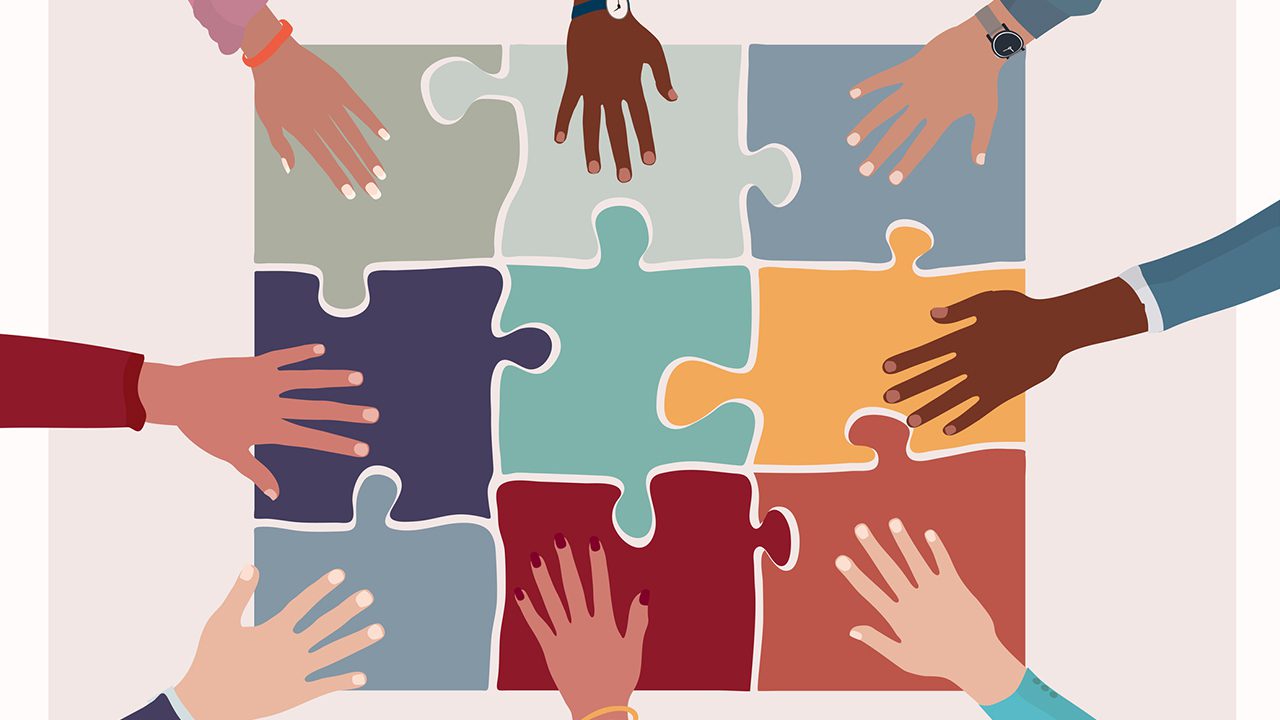
Building partnerships with community organizations can be an effective way to reach groups of participants and set a foundation for meaningful engagement. Many of the most successful projects in my research career have involved multiple community partners – all connecting the project team to groups with distinct insights and perspectives.
When engaging people who may not historically have had a voice in decision-making processes, it’s typical that extra effort is necessary to recruit participants and show them that their input will be taken seriously and handled responsibly. A good first step in this direction can be to
share your project goals with trusted organizations working in communities
. If your partners are on board with the objectives of the research and trust your team to carry it out effectively and respectfully, this will often help to facilitate connections with community members who might not respond to widely used research recruitment methods (such as lists generated through research panels). Working with partners – and being introduced to the community through them – can create a foundation of trust and credibility for your project. It deepens your understanding of your audience and helps identify who may be typically left out of discussions, and who may be most affected by a given set of decisions.
Building relationships with partner organizations is about more than gaining access to communities
: it’s essential to remember that partnerships are reciprocal arrangements. The partnership process involves sharing information, building trust, and demonstrating accountability and transparency throughout the consultation process. It’s vital to be clear about the methodologies you plan to use, to accept and incorporate feedback, to share tools like interview questions and discussion guides in advance and explain exactly how the information gathered will be reported on.
Community partnerships are a two-way street.
A non-profit or agency that supports a research initiative typically does so out of a shared interest in providing more effective services and support to the people they serve. When a research team builds a community partnership, it’s advancing its own research objectives and also supporting the broader purpose of its community partners. Together, researchers and community organizations can facilitate discussions and amplify voices that can help to shape better policies and strategic initiatives.
Tags:
More Articles

Thought Leaders
History is back on, and it’s making (older) Canadians nervous
09/08/26
Tony Coulson

Thought Leaders
The Great Canadian Banking Shift
09/08/26
Heidi Wilson

Aging
Life After 50: Older Canadians Are Redefining Retirement and Later Life
09/04/26
Environics Research