Outcomes
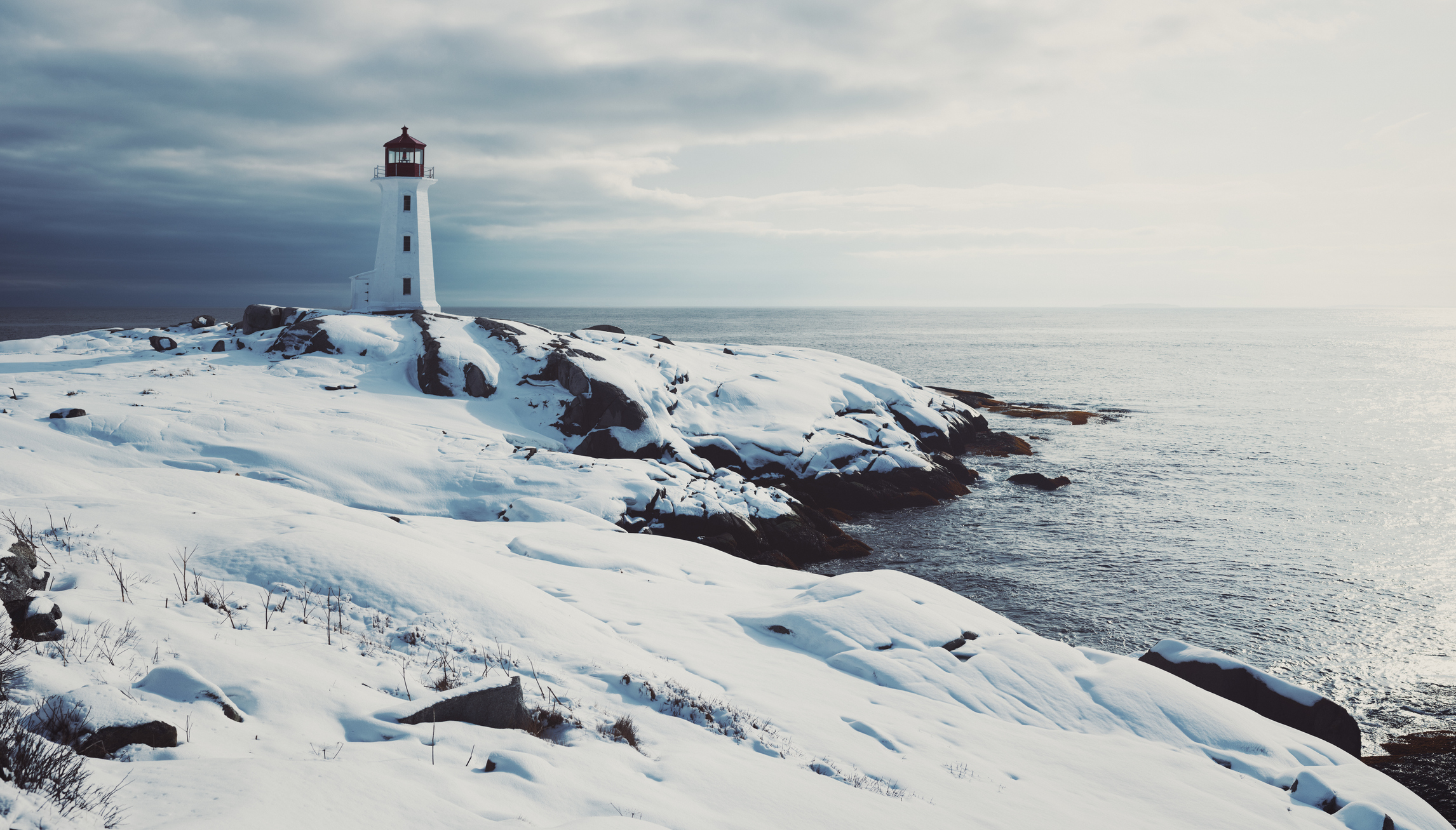
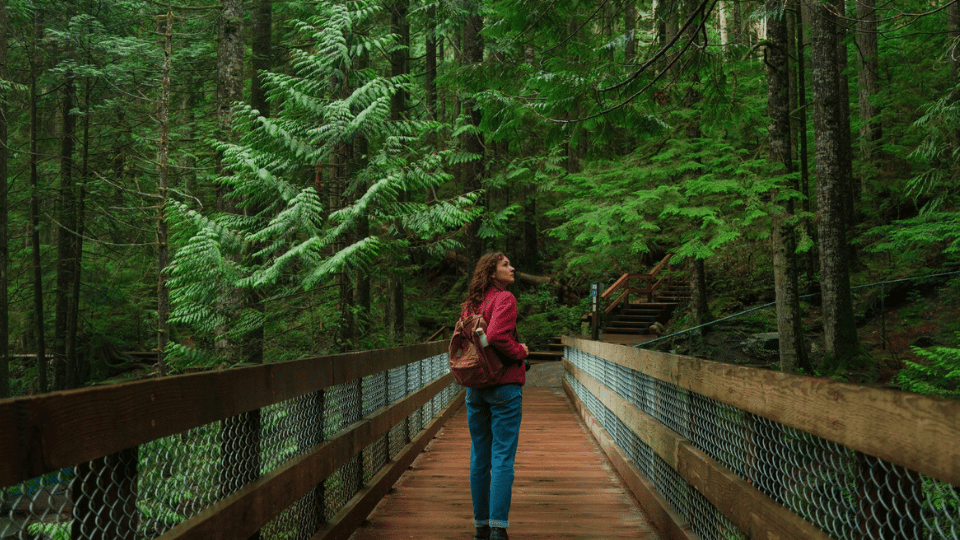
Blended-season advertising performed on par with, and in some cases better than, peak-only creative. More importantly, it increased travellers’ willingness to consider visiting during fall and other off-peak months. For urban destinations, fall consideration increased from 38 per cent among those who saw peak-only imagery to 49 per cent among those shown blended imagery. The increase was even greater for coastal destinations, where fall consideration rose from 39 per cent to 53 per cent.
in fall consideration for urban destinations among those who saw blended imagery (49%) compared to those who saw peak-only imagery (38%).
in fall consideration for coastal destinations among those who saw blended imagery (53%) compared to those who saw peak-only imagery (39%).
The results also show that expanding the seasonal mix does not have to come at the expense of appeal. Among respondents evaluating urban destinations, 80 per cent said the blended creative made the destination look appealing, compared with 75 per cent for peak-only creative. The proportion who said the advertising made them want to visit also increased from 60 per cent to 66 per cent. Coastal creative saw a similar gain in visit interest, rising from 74 per cent for peak-only imagery to 80 per cent for blended imagery.
of respondents evaluating urban destinations said the blended creative made the destination look appealing, compared to 75% who saw the peak-only creative.
in respondents who said the blended urban and coastal imagery made them want to visit the destination compared to respondents who saw peak-only imagery.
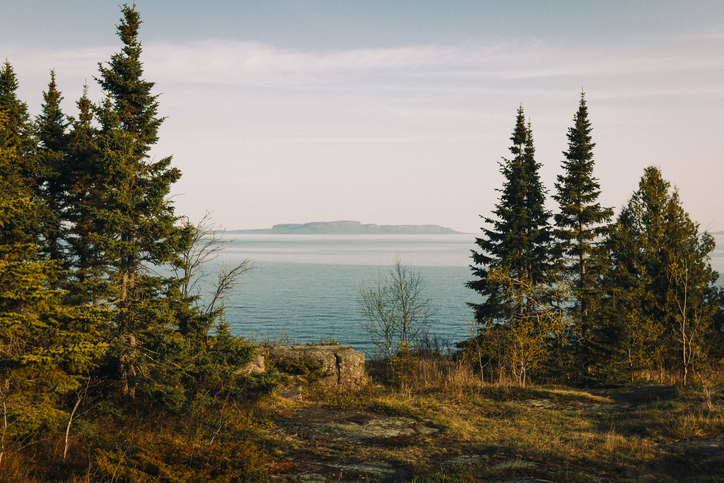
Results for mountain destinations were more nuanced. Peak-only imagery performed slightly better overall, suggesting that destinations built around distinct, weather-dependent activities may benefit from clear seasonal positioning. Even so, blended imagery increased consideration during fall and winter, indicating that a broader visual approach can still help extend the travel window when applied thoughtfully.
The findings suggest that growing shoulder-season visitation may not always require creating a separate product or campaign. For many destinations, showing the core visitor experience across more of the calendar could help travellers see more times of year as viable options. The full report explores how blended imagery affected destination appeal, perceptions and travel timing across each destination type.