The Optimism Gap: How Aging in Canada Has Changed Since 2005
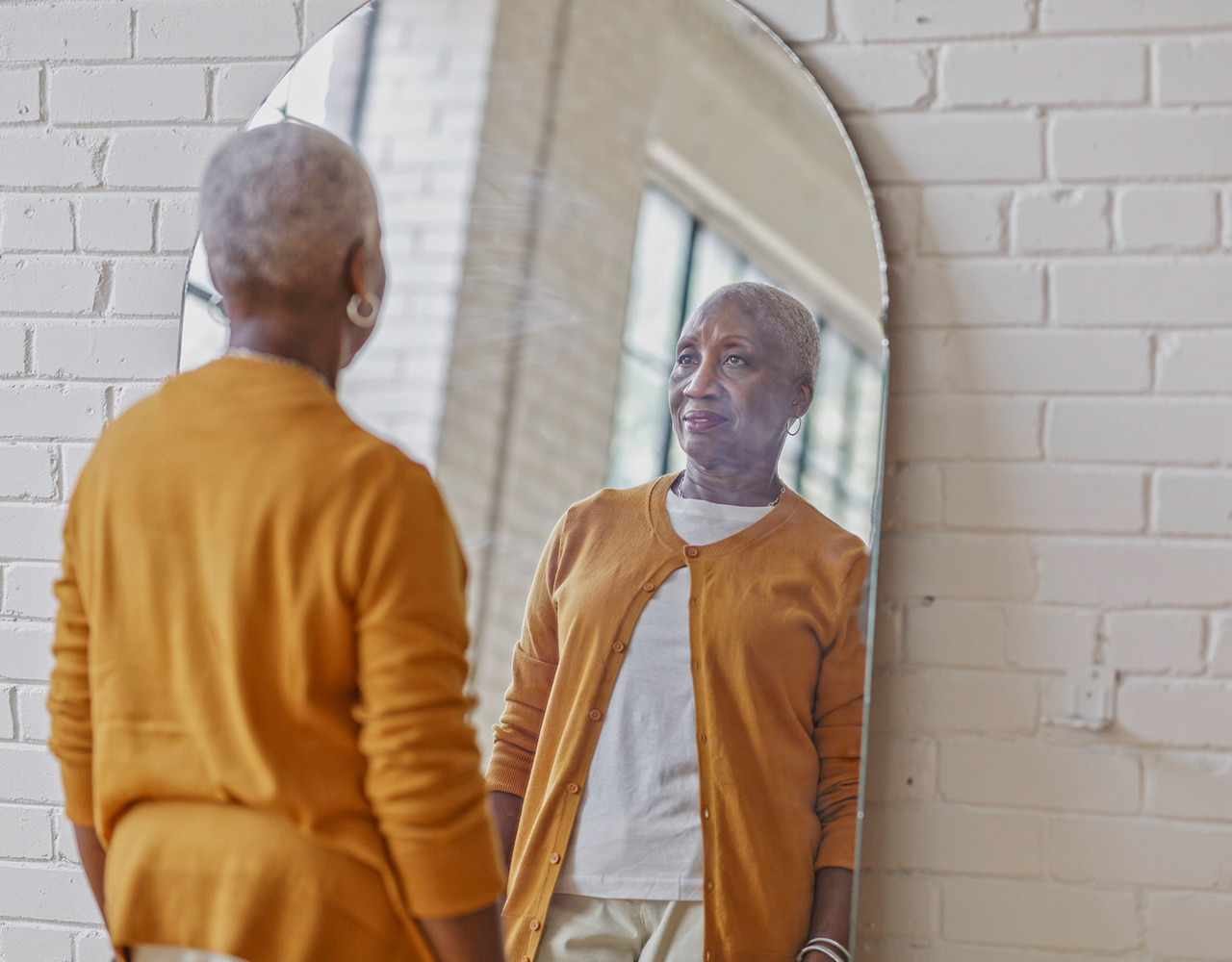
A key takeaway from our recent report, Life After 50: Two Decades of Change in Canada, is that Canadians aged 50+ today have a less optimistic take about later life than people the same age did 20 years ago. They are also less likely to feel they have exceeded the expectations of their younger selves. The more negative views of today’s 50+ set cut across financial security, health, and overall quality of life. Peoples’ goals for later life haven’t changed that much over the past 20 years, but many today express less confidence that those goals will be achievable.
So what happened? In short, Canadians (including those then-aged 50+) in 2005 were living in a context that supported a more positive outlook.
The year 2005 was arguably the tail end of a pretty good period for the world and for Canada. History had “ended” around 1990 with the fall of the Soviet Union and the “victory” of liberal democracy and market capitalism over other systems.1 Free trade was all the rage in the 1990s and 2000s. And while social media started to become mainstream around this time, it felt like a fun gathering place – not the divisive and “toxic” environment than many consider it these days.
World conflict was a bit less prevalent in 2005 than it is today. Yes, 9/11 introduced new fears and the US had invaded Iraq, but Canada decided not to join that coalition. And while our military was active in Afghanistan, there wasn’t nearly as much bad news then as in the 2006-2011 period when Canadian troops were in Kandahar province.
In the Canada of 2005, consumer confidence was relatively high and Canadians were in a positive mood. In a 2007 Focus Canada sum-up, I wrote that our findings pointed “to a generally confident public – in relation to the strength of the economy and individual consumption decisions, and in relation to our collective ability to solve problems…”. By 2009, even in the face of a global economic crisis, Canadians were still among the most optimistic publics globally about the state of the economy.2
But then things changed. If the glass of later life looked half-full in 2005, today’s 50+ Canadians seem to see it as half-empty – and maybe at risk of springing a leak.
Beginning in 2015, Canada experienced what some refer to as a lost decade, a period of underperformance in terms of GDP per capita relative to other industrialized countries.3 Along with other societies, Canadians also experienced the Covid-19 pandemic and some resultant post-pandemic doldrums: a general malaise marked by a weakened sense of self-efficacy. For some, the pandemic aftermath came with feelings of powerlessness connected to diminished engagement at work and increased fatalism about environmental problems. And while inflation contributed to Canadians’ sense of financial strain, our research suggested the problem ran deeper – that Canadians were daunted by the prospect of getting back to “normal” when it came to both work and spending.4
The wider world is also a more nasty and brutish place now, compared to 2005. Russia invaded Ukraine in 2022, and that war is ongoing, with some European leaders claiming creeping sabotage farther west in NATO countries. The U.S. and Israel are at war with Iran, with the conflict also affecting the Gulf region.
North American free trade is in disarray, Canadians are feeling an inflationary squeeze, and consumer confidence is low. In our 2025 Global Economic Confidence survey with the IRIS network, Canada is now among the less optimistic countries with nearly six in ten anticipating worsening economic conditions.5
Context matters. A lot changed between 2005 and 2026 and Canadians, including those aged 50+, are less enthusiastic than they once were.
But now what? Yes, there has been a decline in optimism among Canadians aged 50+. But increasing longevity, while it carries its challenges, is an amazing achievement of science and society – and offers plenty of opportunities for individuals and communities alike. How can we make longer lives better? A society in which people live longer has more experience, knowledge, and capacity available to it – but only if institutions and policy evolve with the population. Understanding why the mood has shifted is a first step toward creating the conditions in which Canadians can remain healthy, secure, independent, and engaged throughout longer lives.
Come on, Canada, let’s get our groove back.
Footnotes:
1 Francis Fukuyama, 1992. The End of History and the Last Man. Free Press, New York.
2 https://www.cbc.ca/news/canada/canadians-among-most-optimistic-globally-about-economy-report-1.828520
3 https://albertacentral.com/intelligence-centre/economic-news/the-lost-decades-or-how-the-oil-boom-masked-canadas-economic-mediocrity/
4 https://environics.ca/insights/reports/social-values-and-the-covid-19-pandemic/
5 https://www.irisnetwork.org/IRIS—Global-Public-confidence_Economic_Q4-2025_20260330.pdf