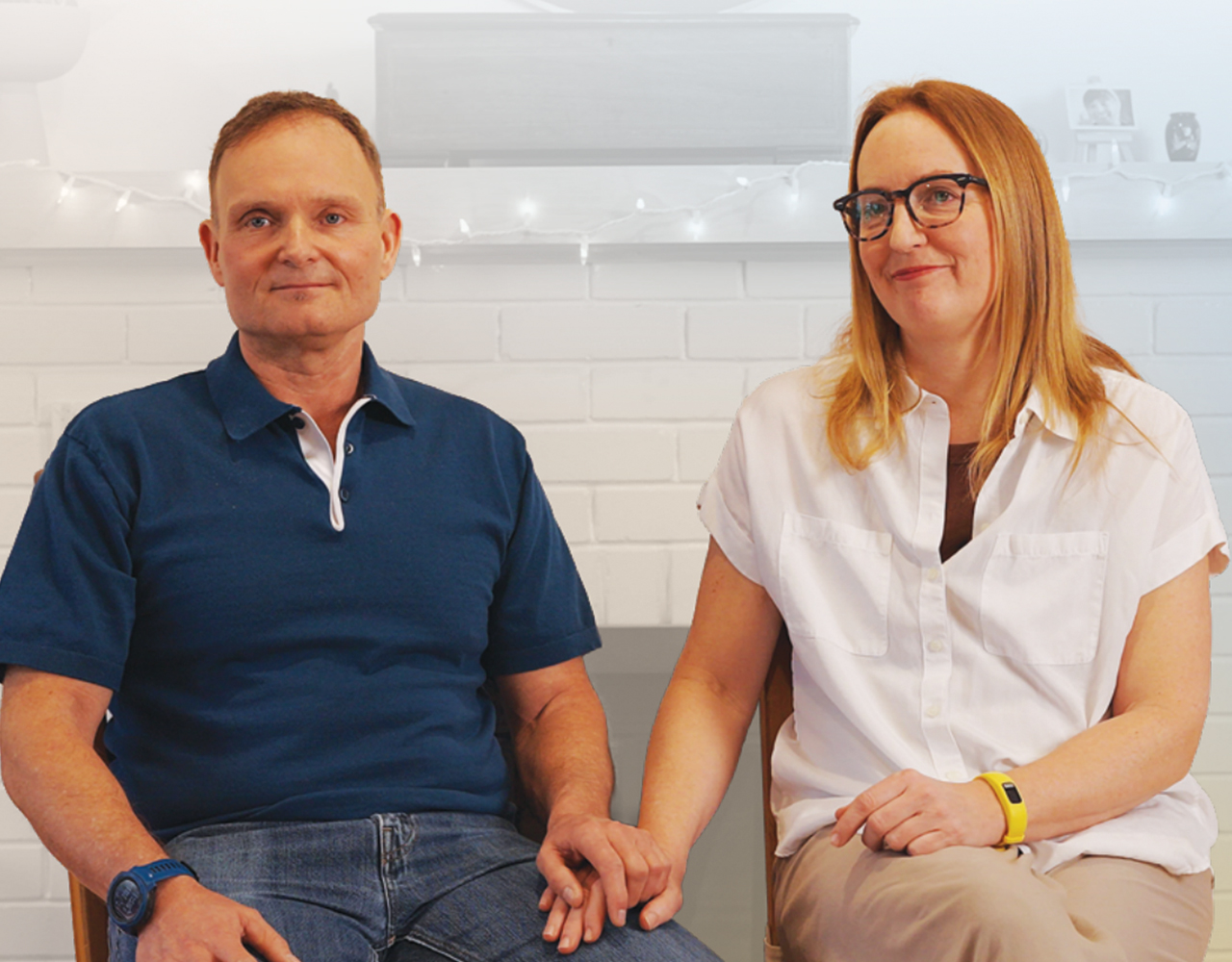
A decade of choice: Canadian views on MAID
Ten years after medical assistance in dying became legal in Canada, new research conducted by Environics Research for Dying With Dignity Canada shows strong support for MAID, high confidence in its regulation, and persistent gaps in public understanding.
Published in Dying With Dignity Canada’s report A Decade of Choice: Canadian Perspectives on MAID, the research explores how seniors, caregivers, and people personally connected to MAID understand end-of-life choice in Canada today.
About the client
Dying With Dignity Canada is a national charity focused on informed end-of-life decision-making. Its work helps people understand their options, including MAID, and supports public education around planning, care choices, and patient autonomy.
The research also supports the launch of WeCanChoose.ca, a plain-language information platform offering tools, guidance, and lived-experience stories for individuals, families, and caregivers navigating end-of-life decisions.
About the research
The report draws on two national surveys conducted by Environics Research in early 2026: a January survey of 1,000 Canadians aged 18 and older, and a February survey of more than 2,000 seniors, caregivers, and adults with a first-degree connection to someone who had considered, been assessed for, or received MAID.
The findings show broad support for MAID. Eighty-one percent of seniors and caregivers support MAID, rising to 89 percent among those personally connected to it. Confidence in regulation is also high: 76 percent of seniors, 77 percent of caregivers, and 85 percent of those connected to MAID say they are confident it is appropriately regulated.
At the same time, the research identifies misinformation and uncertainty. Some respondents held incorrect beliefs about consent, provider incentives, and government motivations, while many caregivers reported discomfort or uncertainty when discussing end-of-life wishes.
What stands out is how widespread MAID misconceptions are, even among caregivers and those who’ve had firsthand experience of MAID. When that kind of widely believed misunderstanding goes unchallenged, it can create unrealistic expectations and lead people to make decisions based on false assumptions.

David MacDonald
Group VP – Environics Research