Housing and Affordability: Perspectives from the GTA
Victoria Sicilia discusses how our Focus GTA data show rising concern on housing affordability amongst GTA residents.

Victoria Sicilia discusses how our Focus GTA data show rising concern on housing affordability amongst GTA residents.

Sarah Roberton, CAIP tells us why quality is non-negotiable when it comes to research with Indigenous peoples.

Equitable and inclusive research seeks to promote the participation of underserved groups in engagement, consultation, or survey processes in order to effectively explore research topics related to gender, race, sexual, economic, health and cultural equality.

Your organization wants to build new business relationships with Indigenous peoples and communities. Where do you start?

With the uptick of interest in Indigenous research, Sarah Roberton discusses some hard-earned lessons from almost two decades partnering with Indigenous organizations.
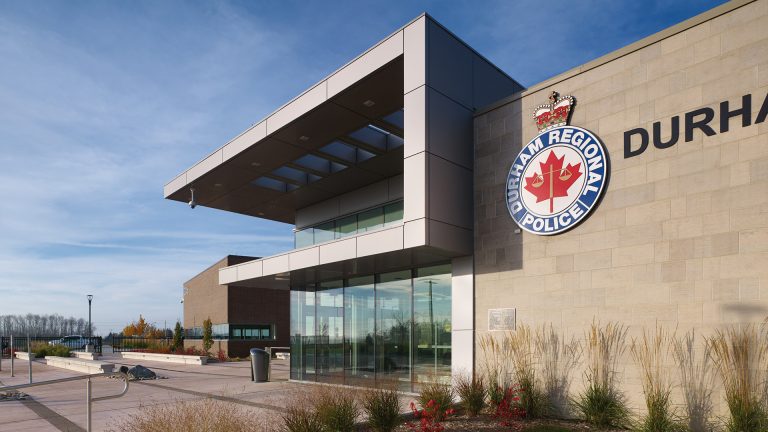
Environics Research team presented results to the Durham Regional Police Services Board from a comprehensive public consultation process.
Environics Research, on behalf of the Durham Regional Police Services Board, conducted a public consultation to inform the process for appointing the Region’s Next Chief of Police.

Demand for inclusive research is growing. In this article we provide 3 best practices for conducting Inclusive Research and outline the importance of prioritizing it early in the process.

Environics Research supports TPSB in comprehensive public consultations with Toronto residents & stakeholders for City’s next Chief of Police

Environics will be conducting public consultations on behalf of the Toronto Police Services Board as part of the Chief selection process.